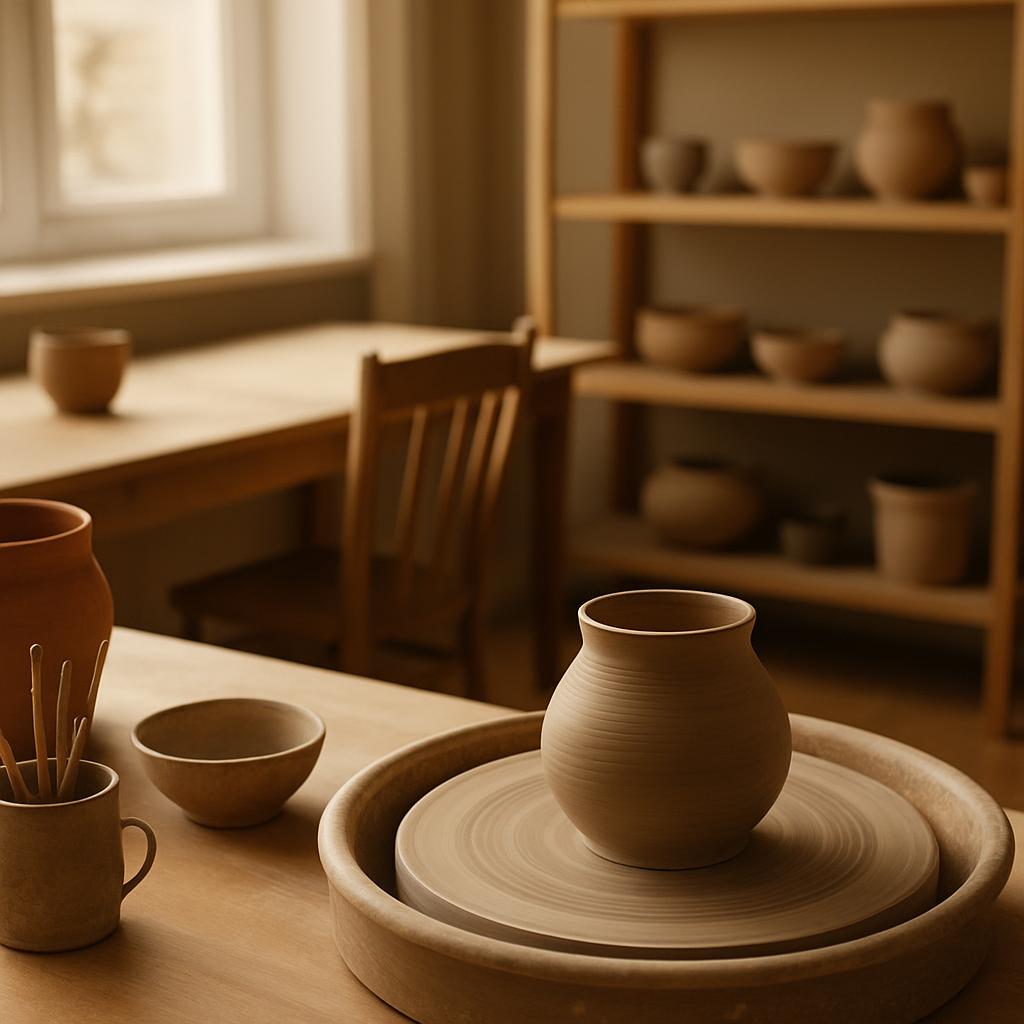
Getting the Most Out of Pottery Classes in Cotgrave: A Local's Guide
Find Out More →Getting the most from a local pottery classes service isn't just about finding the right provider—it's about showing up prepared and knowing what to expect. I've lived in Cotgrave long enough to see people jump into new hobbies with genuine enthusiasm, only to get frustrated because they weren't quite sure how to approach it. Pottery is different. It's a skill that rewards patience and a bit of forward thinking, and there are real, practical steps you can take before your first class to set yourself up for success.
Know What You're Walking Into
Before you sign up, it helps to understand what pottery classes actually involve. This isn't a passive activity—you'll be getting your hands dirty, quite literally. Ask Pottery classes Cotgrave what the typical class structure looks like. How long are sessions? What will you work on in your first few weeks? Are you starting with hand-building techniques or jumping straight to the wheel? Understanding the basics means you won't arrive on day one wondering if you're in the right room.
Also worth asking: what's the class size? Smaller groups generally mean more hands-on feedback from the instructor, which matters when you're learning something tactile like pottery. And don't be shy about asking whether you should wear anything specific or bring anything along. Most instructors will tell you to wear old clothes and avoid anything with long, loose sleeves, but it's better to know upfront.
Prepare Yourself Mentally (and Physically)
Pottery is frustrating at first. Your hands might not do what your brain is telling them to do. That's completely normal. Anyone who's lived in Cotgrave knows we're a practical, no-nonsense sort of place, so I'll be straight with you: expect your first few pots to look rough. That's not failure—that's learning. Come to your classes with realistic expectations and genuine curiosity rather than hoping to produce gallery-worthy work in week two.
Physically, pottery can be surprisingly demanding. You're using muscles in your hands, forearms, and core that you might not typically engage. If you have any wrist, shoulder, or back issues, mention them when you book. Find out more about us and don't hesitate to ask whether the instructors have experience adapting techniques for different physical needs.
Ask the Right Questions Before You Start
Contact Pottery classes Cotgrave with a clear list. Here's what matters: What clay will you use? (Different clays behave differently.) Are tools provided, or do you need to buy your own? What happens to your finished pieces—do they fire them for you, and what's the cost? Is there flexibility if you need to miss a class or reschedule? Can you come early or stay late to practice?
These aren't awkward questions. Good instructors expect them and will appreciate someone who's thinking ahead. It shows you're serious about getting value from the experience.
Commit to Consistency
This is the big one. Pottery is a cumulative skill. Attending sporadically won't give you the progress you're hoping for. If you commit to weekly classes for at least four to six weeks, you'll move past the initial frustration and start to feel genuine improvement. Your hands will begin to remember what they're doing. Your clay control will develop. By week six, you'll be a completely different potter than you were on day one.
Show up regularly, ask for feedback, practice the same techniques your instructor demonstrates, and be patient with yourself.
If you're ready to start, reach out to Pottery classes Cotgrave today. Come prepared, stay curious, and give yourself permission to be a beginner. That's how you'll get genuine results.
Looking for Pottery classes near Cotgrave?
We have secure, flexible units available in the area. Get in touch with Pottery classes Cotgrave today.
Find Out More →